Our Expertise
We work across a broad range of sectors because good design thinking is transferable. The questions a residential project asks about light, materiality, and how people inhabit space are the same questions a school or a cultural building asks, just at a different scale and with a different set of constraints. That breadth keeps us sharp.
Our work spans Residential, Commercial, Arts and Culture, Education, Hospitality, Interior Design, and Developer-led projects. Across all of it, the approach is consistent: understand the site, understand the people, and design something that genuinely serves both.
Our clients range from individual homeowners to public institutions, private developers, and creative organisations. What they share is an expectation that the built result will be better than what they imagined at the outset. That's what we're working towards on every project.
Residential
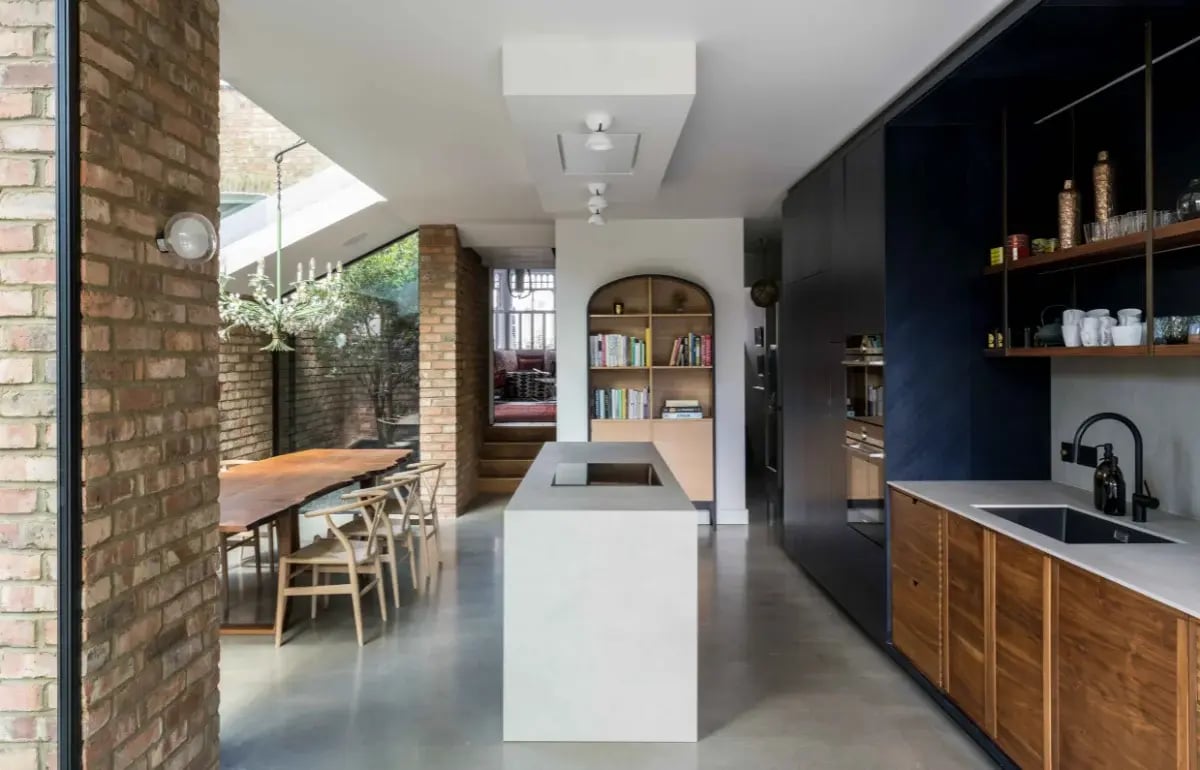
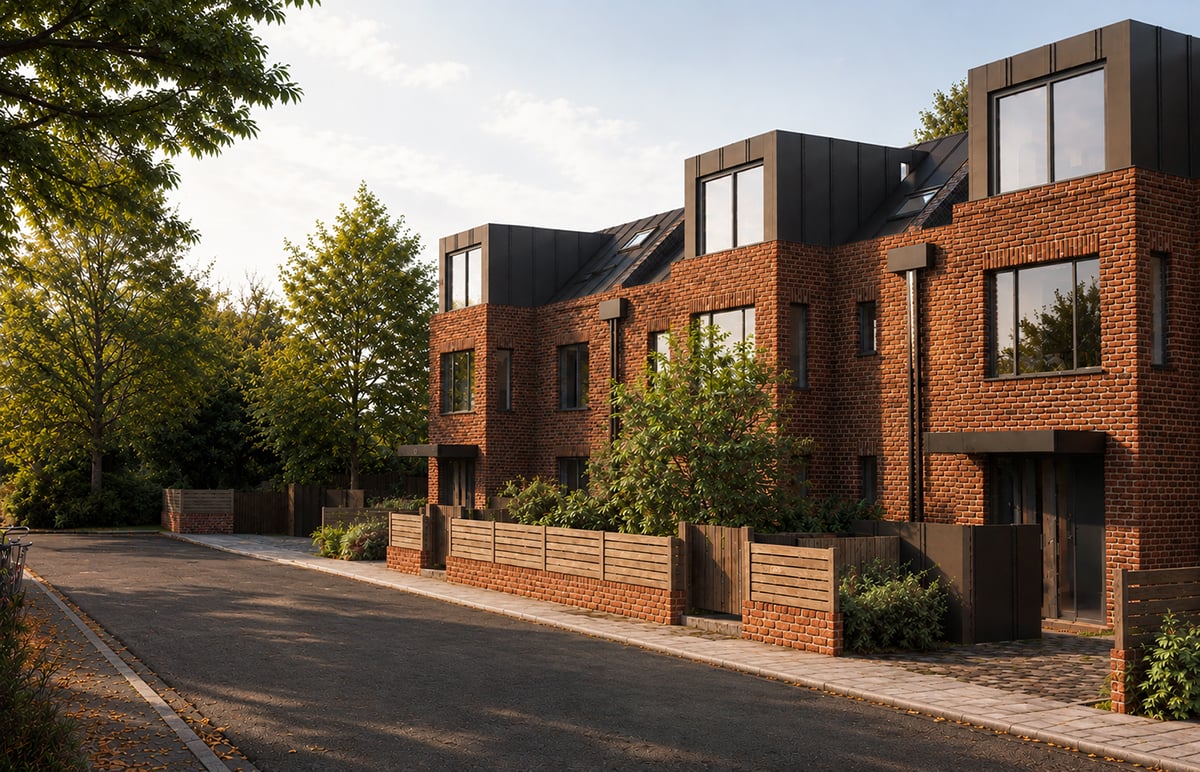
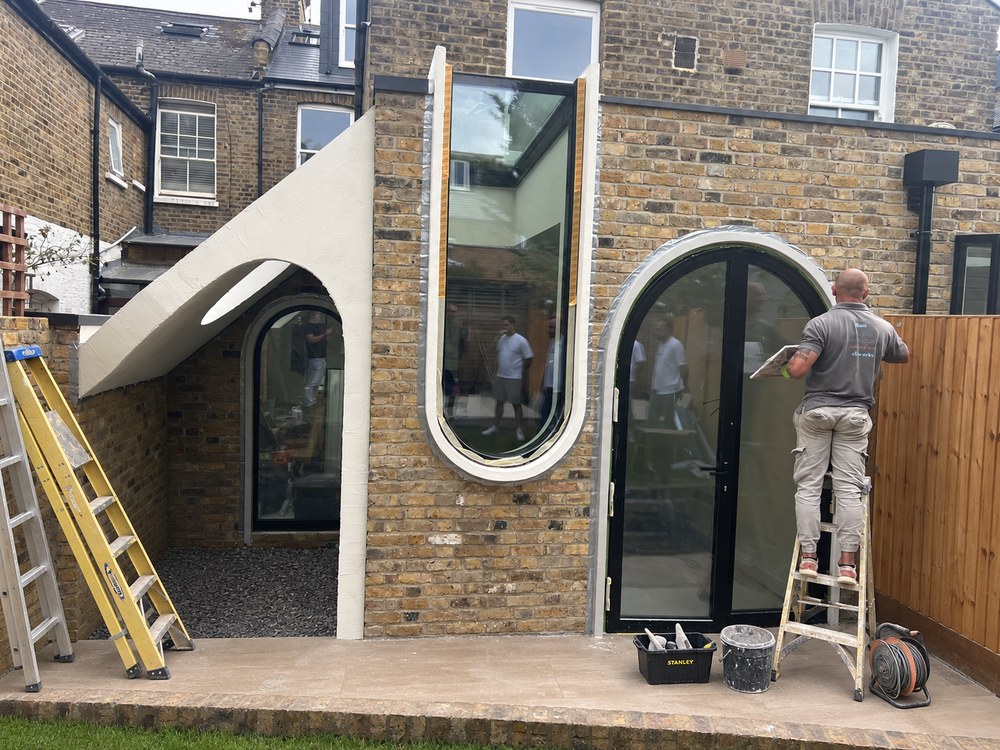
Most of our residential work involves existing buildings: Victorian terraces, Edwardian semis, inter-war houses that have been added to, subdivided, and adapted over a century of occupation. We find these projects genuinely interesting, because the constraints of an existing structure ask more creative questions than a blank site.
Whether it's a new build or a whole-house retrofit, our residential projects are designed around how people actually live: the morning light in the kitchen, the relationship between inside and outside, the quality of the air, the cost of keeping the building warm. These aren't secondary concerns. They're the brief.
Every residential project we take on is designed with energy performance in mind from the outset. Most follow Passivhaus or EnerPHit principles, because we think buildings should be comfortable and cheap to run as a baseline, not as an optional extra.
Culture & Arts
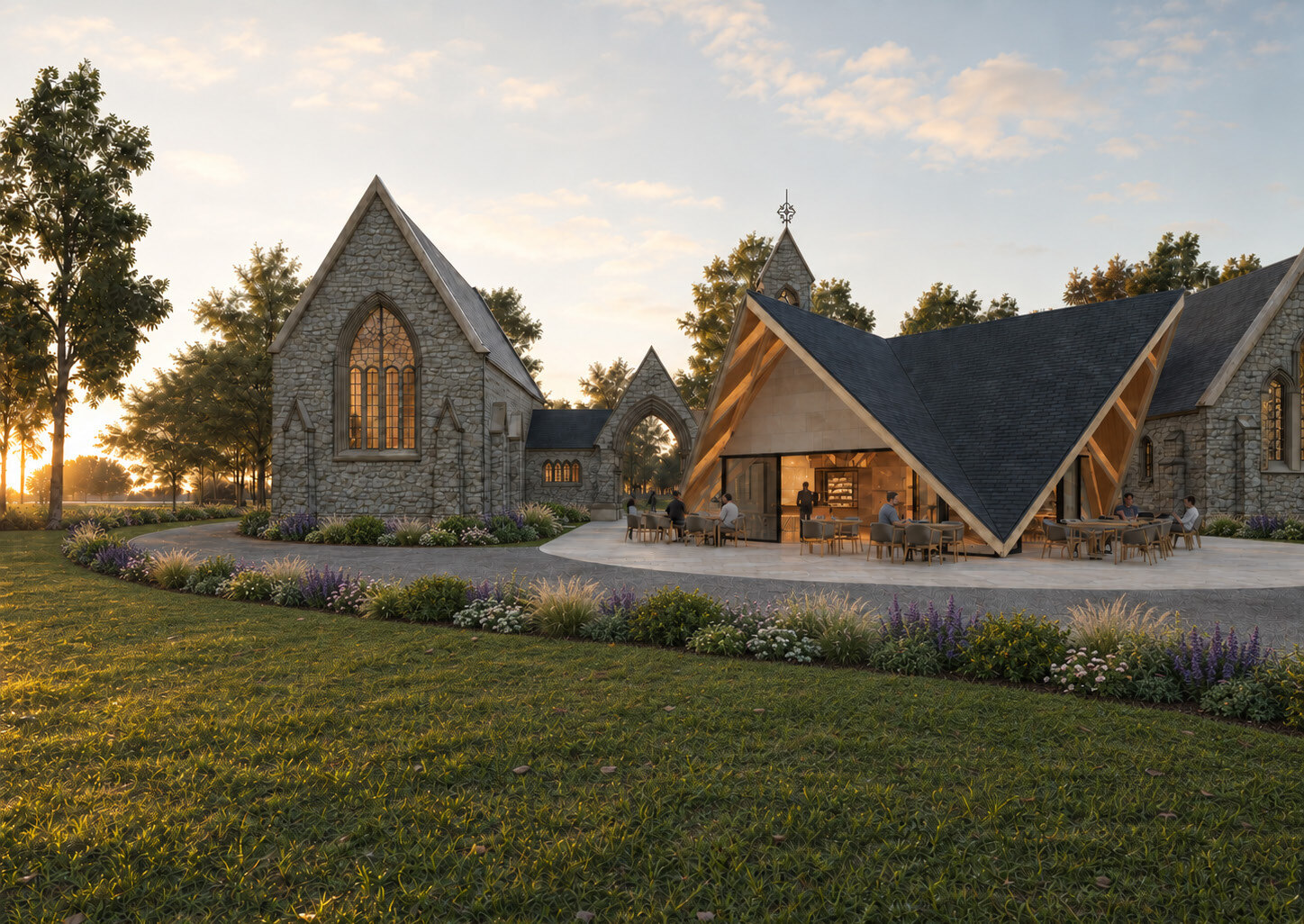
Cultural buildings carry a particular responsibility. They're used by everyone, they represent communities, and they need to work for a much wider range of people and activities than most building types. Getting them right requires more than good aesthetics.
Our work on the Lexi Cinema in Kensal Rise is a good example of what this looks like in practice. A heritage building, adapted for contemporary use, made substantially more sustainable without losing the character that makes it matter to its community. The building is now the first cinema in the UK with an auditorium controlled by an MVHR system paired with an air-to-air source heat pump. It also has a sedum wildflower roof and a super-insulated external skin.
Cultural projects at RISE are designed to be flexible, accessible, and durable. Spaces that can adapt as their communities evolve, and that perform well enough to keep running costs under control over the long term.
Education
Learning environments have a direct impact on the people who use them, and the evidence for this is substantial. Daylight levels, air quality, acoustic performance, thermal comfort: these factors affect concentration, behaviour, and wellbeing in ways that are measurable and significant.
We design educational buildings around these fundamentals first. The spatial organisation, the material choices, the ventilation strategy: all of it starts from a clear understanding of how the building will be used and what conditions will help students and staff do their best work.
Flexibility matters too. Educational needs change faster than buildings get replaced, and a school designed with adaptable layouts and robust, low-maintenance materials will serve its community considerably better over time than one designed around a single fixed model of how learning happens.
Hospitality
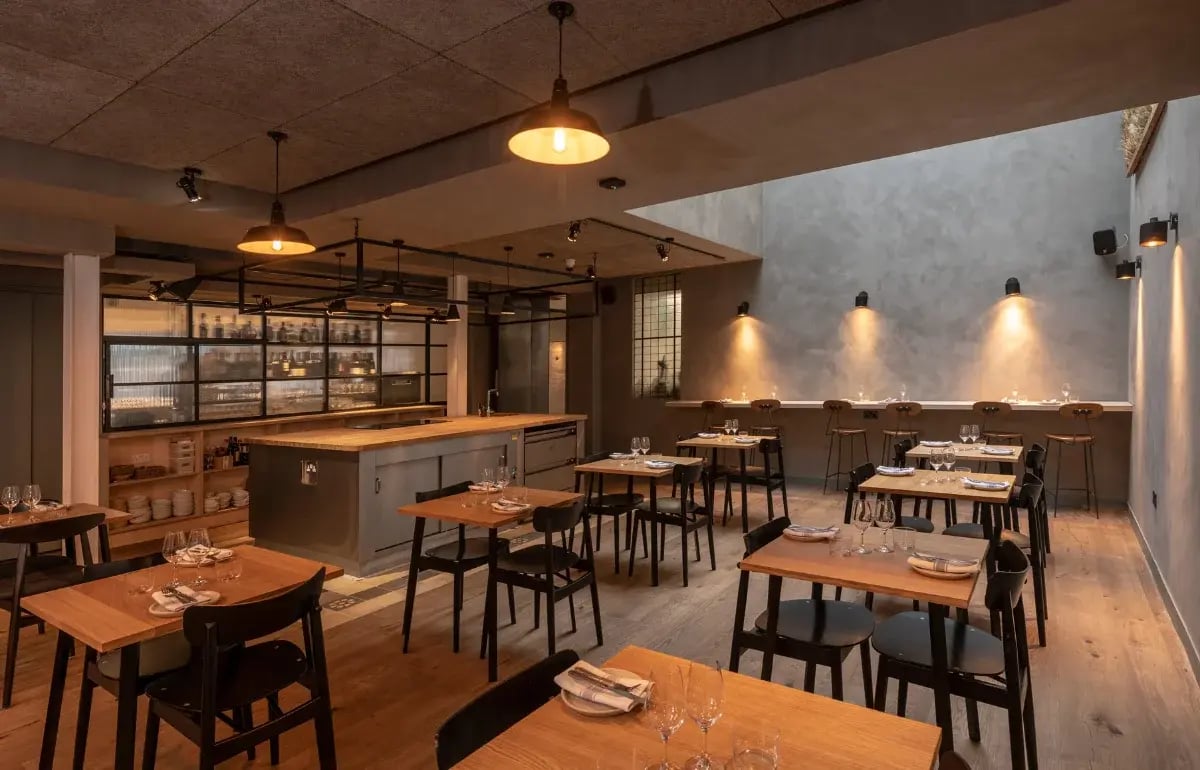
Hospitality projects live or die by atmosphere, and atmosphere is almost impossible to fake. It comes from the quality of the light, the warmth of the materials, the way a space makes people feel when they walk into it. These are design decisions, and they require the same rigour as any technical specification.
Our hospitality work, including the Carousel restaurant in Fitzrovia, is designed around the guest experience from the first moment to the last. That means thinking carefully about acoustics, about the sequence of arrival and movement through the space, about how the interior feels at different times of day and under different lighting conditions.
We also think about longevity. Hospitality interiors take considerable wear. The materials and finishes we specify are chosen to age gracefully rather than date quickly, which tends to produce spaces that feel considered rather than fashionable.
Commercial
Commercial buildings need to work hard. They need to support the way people actually work, which has changed significantly and continues to change, while remaining efficient to run and adaptable enough to be useful over a long lease.
Our commercial projects are designed around the specific needs of the client and the organisation rather than a generic model of what an office or workspace should look like. That means understanding how different teams work, what collaboration looks like in practice, and where individuals need focus and quiet.
Sustainability in commercial buildings has a direct financial dimension that residential clients sometimes overlook: energy costs, maintenance costs, and the increasingly significant impact of EPC ratings on asset value and leasability. We design with all of these in mind.
Interior Design
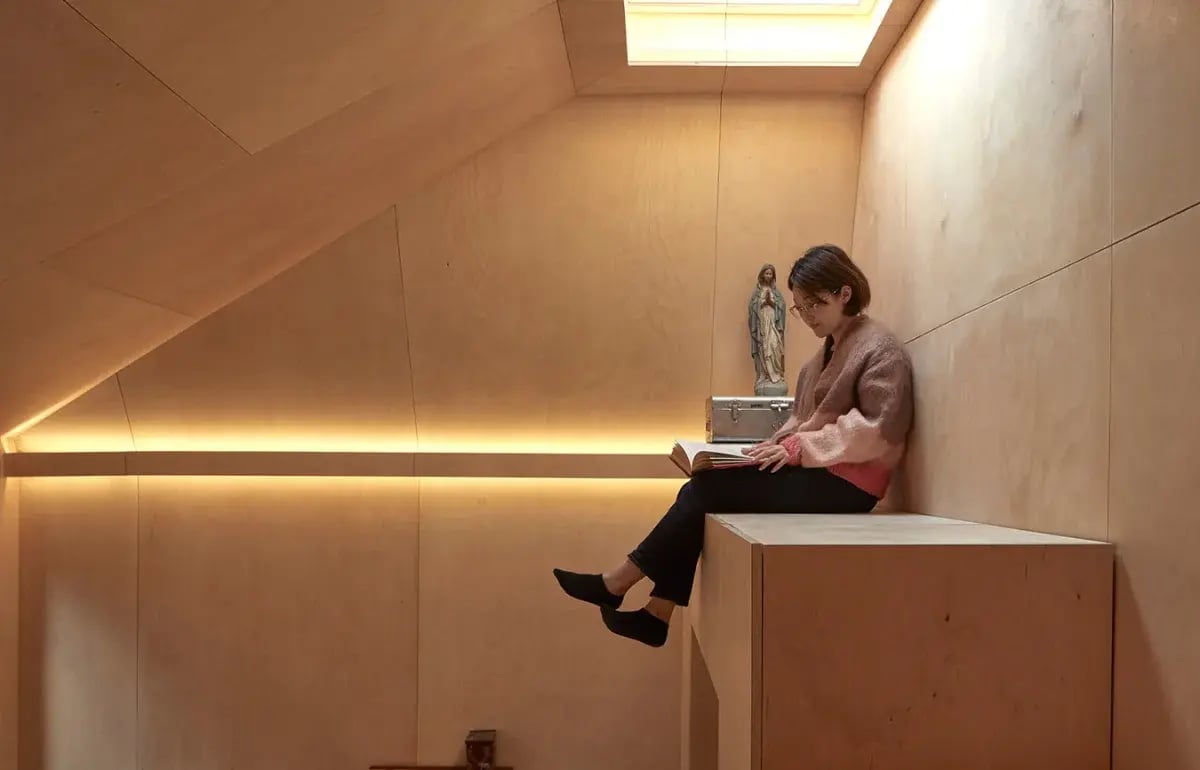
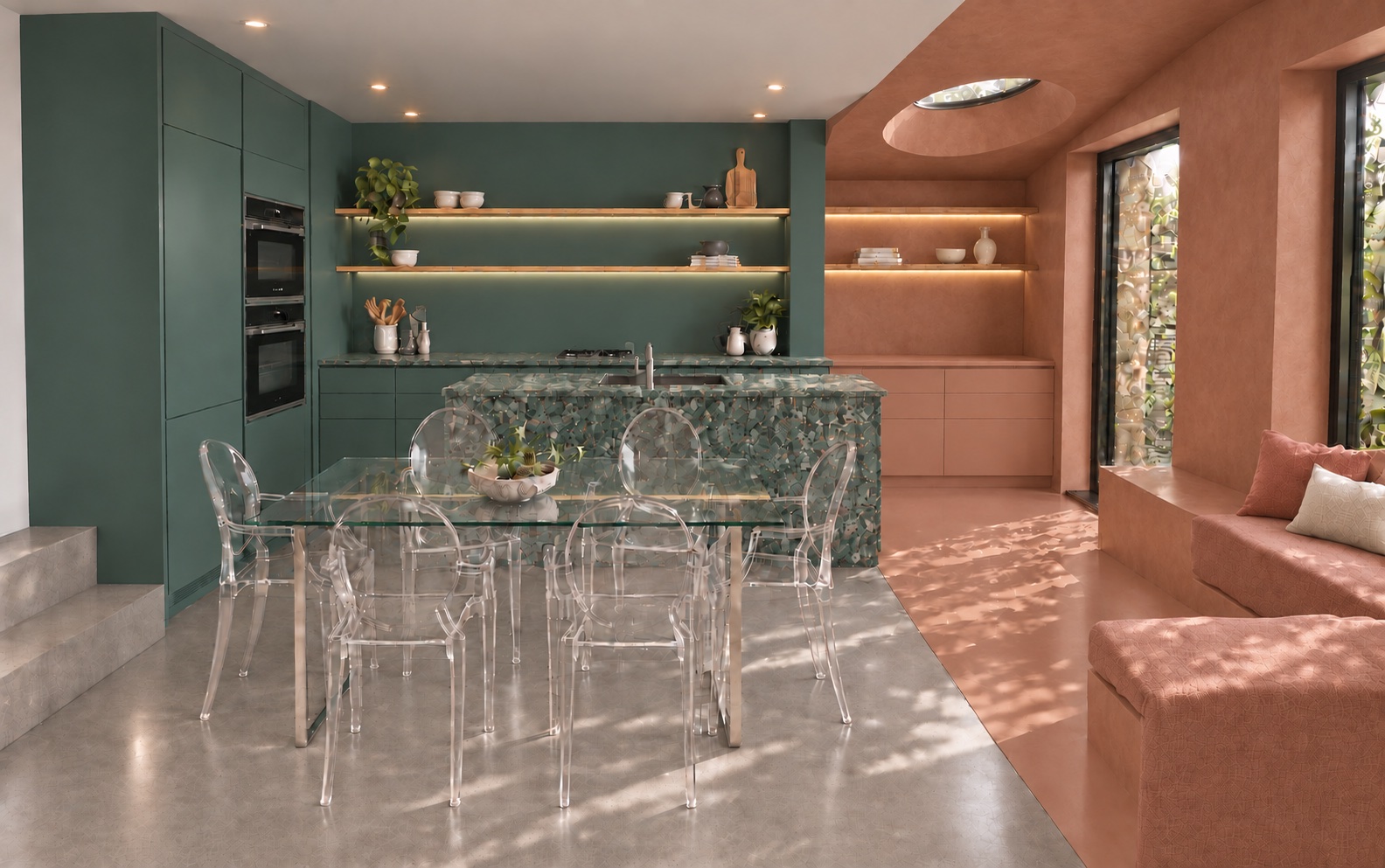
Our interior design work is fully integrated with our architectural practice rather than operating as a separate service. The material palette, the joinery details, the lighting strategy, the furniture selection: these are part of the design from the outset, not applied over it at the end.
We work with a consistent set of principles across our interiors: honest materials, considered proportions, restraint in the palette to allow the architecture to breathe, and a focus on quality in the details that get touched and used every day. The goal is always a space that feels coherent and calm, that improves with age, and that reflects the people who inhabit it rather than the preferences of whoever designed it.
Developer Led
Our interior design work is fully integrated with our architectural practice rather than operating as a separate service. The material palette, the joinery details, the lighting strategy, the furniture selection: these are part of the design from the outset, not applied over it at the end.
We work with a consistent set of principles across our interiors: honest materials, considered proportions, restraint in the palette to allow the architecture to breathe, and a focus on quality in the details that get touched and used every day. The goal is always a space that feels coherent and calm, that improves with age, and that reflects the people who inhabit it rather than the preferences of whoever designed it.
Testimonials
The Bunker
RISE introduced a novel outlook by focusing on the potential opportunities, a seldom-seen approach. They motivated us to investigate 'what if' situations, thereby unlocking a realm of imaginative possibilities.
Steph Keelan, client of The Bunker

Want To Learn More About RISE?
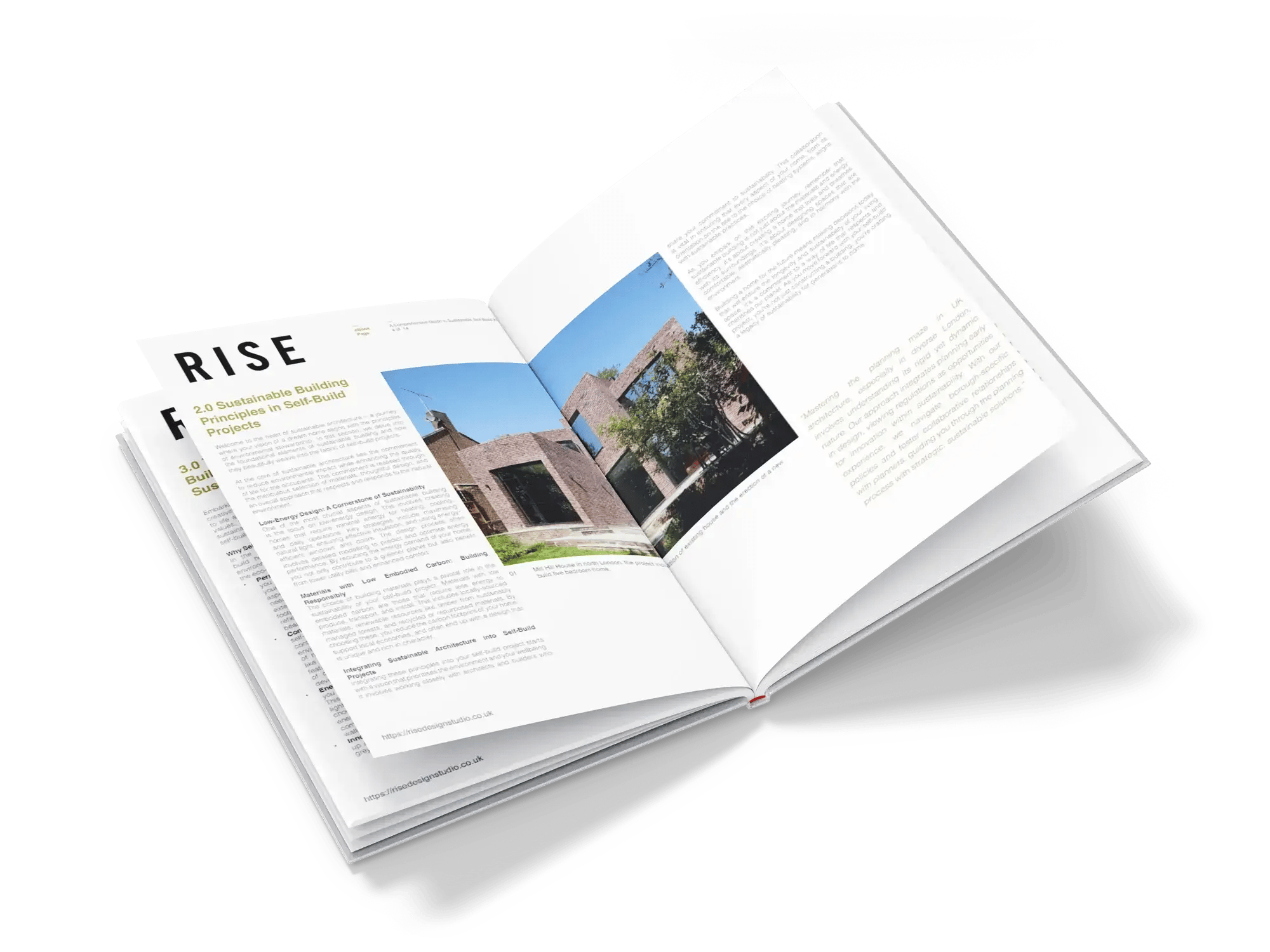
Download A FREE Copy Of One Of Our Brochures
More information can also be found in one of our free downloadable guides, which explores a few of our recent projects in further detail and demonstrates some of the ways in which we can help you turn your concept into reality.
Press & Awards
RISE Design Studio has won and been shortlisted for several prestigious architecture prizes, including the 2018 RIBA London Awards. Our projects have featured in Channel 4, Living Etc, Elle Decoration, the Financial Times, Grand Designs and The Guardian.
Tell Us About Your Project
Every project we take on starts the same way: with a conversation. Not a pitch, not a presentation, just a direct discussion about what you're trying to achieve, what the constraints are, and whether we're the right practice to help you get there.
Use this form to give us a sense of your project: what you're working with, what you're hoping for, and where you are in the process. There's no obligation and no fixed format. The more honestly you describe what you want, the more useful our initial response will be.
Once we've reviewed your brief, we'll be in touch to arrange a call where we can share our initial thoughts, talk through the process, and answer any questions you have about working with us.
We're looking forward to hearing from you.
Fill In Your Details Here
Journal

Energy Is No Longer Cheap. Most Homes Were Never Built to Handle That

What Community Sports Clubs Need to Know Before Appointing an Architect